
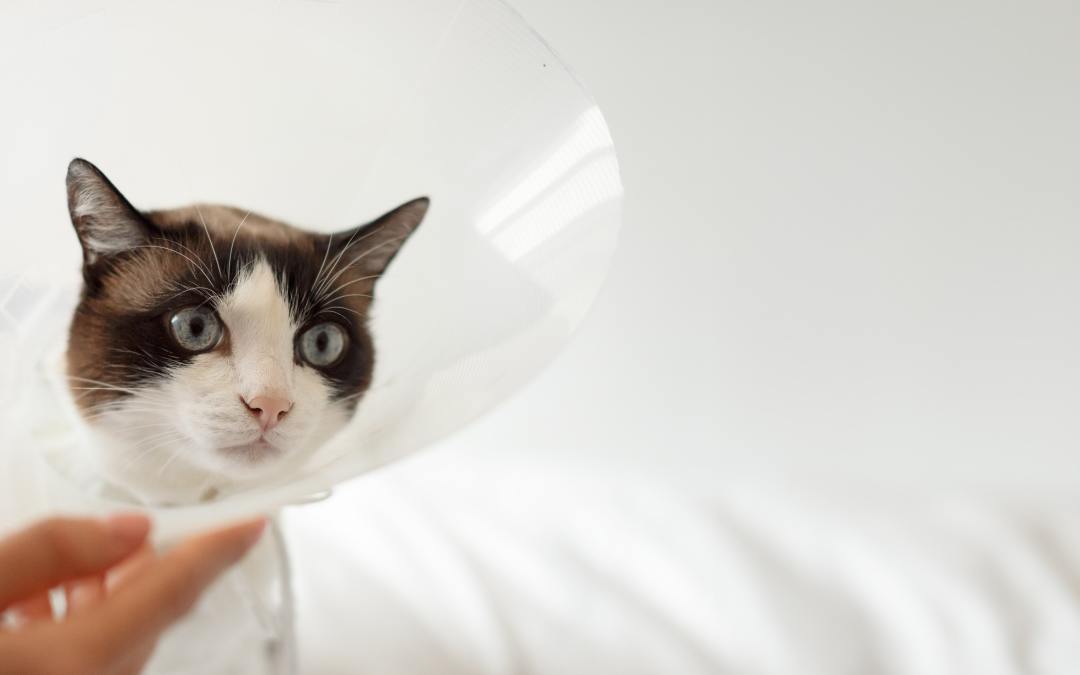
The Challenge of Post-Surgical Respiratory Issues
Breathing complications are one of the biggest concerns after surgery in pets. Conditions like aspiration pneumonia, airway obstruction, and post-anesthetic respiratory depression can seriously impact recovery. These risks are even greater in brachycephalic breeds—Bulldogs, Pugs, and Persian cats—who already struggle with airway issues.
Veterinarians typically monitor respiratory health through visual observation and auscultation (listening with a stethoscope). While helpful, these methods only provide snapshots of a pet’s condition, leaving gaps where issues can go unnoticed.
The Limitations of Traditional Respiratory Monitoring
Current monitoring methods come with challenges:
- Manual Respiratory Rate Checks – Requires frequent observation, which can be impractical in a busy clinic or at home.
- Pulse Oximetry & Capnography – Effective but often requires physical attachments that can cause discomfort.
- Owner-Reported Symptoms – Pet owners may miss early signs of respiratory distress, leading to delayed treatment.
With these gaps in monitoring, veterinarians need a continuous, contact-free way to detect respiratory changes in real time. That’s where WalDar steps in.
The Challenge of Post-Surgical Respiratory Issues
Breathing complications are one of the biggest concerns after surgery in pets. Conditions like aspiration pneumonia, airway obstruction, and post-anesthetic respiratory depression can seriously impact recovery. These risks are even greater in brachycephalic breeds—Bulldogs, Pugs, and Persian cats—who already struggle with airway issues.
Veterinarians typically monitor respiratory health through visual observation and auscultation (listening with a stethoscope). While helpful, these methods only provide snapshots of a pet’s condition, leaving gaps where issues can go unnoticed.
The Limitations of Traditional Respiratory Monitoring
Current monitoring methods come with challenges:
- Manual Respiratory Rate Checks – Requires frequent observation, which can be impractical in a busy clinic or at home.
- Pulse Oximetry & Capnography – Effective but often requires physical attachments that can cause discomfort.
- Owner-Reported Symptoms – Pet owners may miss early signs of respiratory distress, leading to delayed treatment.
With these gaps in monitoring, veterinarians need a continuous, contact-free way to detect respiratory changes in real time. That’s where WalDar steps in.
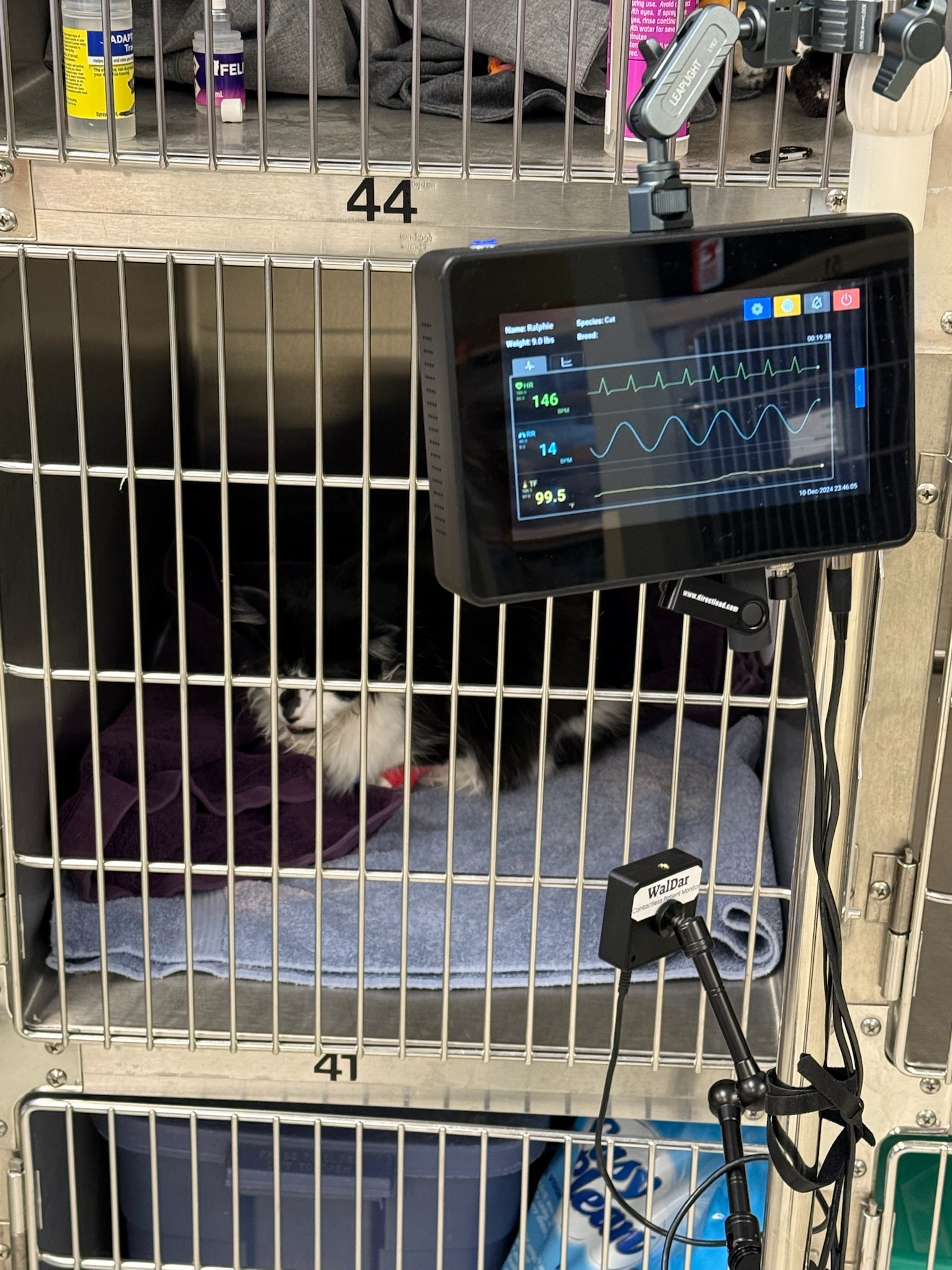
How WalDar Improves Post-Operative Respiratory Monitoring
What is WalDar?
WalDar is a contactless monitoring system that continuously tracks key vital signs, including respiratory rate, heart rate, and body temperature. Unlike traditional methods, WalDar offers real-time respiratory tracking without the need for physical sensors or attachments.
Why WalDar is a Game-Changer for Respiratory Monitoring
- Continuous, Contact-Free Monitoring – Instead of relying on periodic checks, WalDar tracks breathing patterns in real time, allowing for early detection of complications.
- Detects Abnormal Breathing Patterns – Sudden changes in respiratory rate or irregular breathing can signal airway obstruction, pneumonia, or other post-op issues—WalDar helps catch these warning signs faster.
- Reduces Stress During Recovery – Handling and physical exams can increase anxiety and even worsen breathing problems. WalDar’s non-invasive tracking keeps pets relaxed while still providing valuable insights.
- Supports Remote Monitoring – Veterinarians can assess a pet’s respiratory health remotely, reducing unnecessary clinic visits while improving oversight.
- Early Alerts for Faster Intervention – By continuously monitoring trends in respiratory rate, WalDar helps veterinarians take action before minor issues become serious.
A Smarter Approach to Post-Operative Care
Advancements in veterinary technology are making post-operative monitoring more effective and less stressful for pets. With real-time, contactless respiratory tracking, WalDar gives veterinarians the tools to detect complications earlier, improve recovery outcomes, and provide better patient care.
Learn More
Related Articles

WaldoPet Unveils AI-Driven Pet Health Ecosystem to Bridge the Veterinary Gap
Brookfield, WI – July 15, 2025 – WaldoPet, a pioneering pet health technology company, announces...

World Veterinary Day – A Special Thank You
Every year, World Veterinary Day (celebrated on April 26) honors veterinarians and their essential...

A Better Way to Weigh Large Dogs—No More Struggles or Guesswork
Weighing a large dog can feel like an impossible task. Many pet owners—and even professionals like...