

The Challenge of Post-Operative Stress in Pets
Surgery is a stressful experience for pets, and recovery can be just as challenging. Many animals experience heightened anxiety after an operation, which can slow healing and lead to complications. Signs of stress include an elevated heart rate, rapid breathing, restlessness, whining, or a loss of appetite.
While veterinarians do their best to create a calm, comfortable environment, traditional monitoring methods often add to a pet’s stress. Handling, physical exams, and frequent disruptions can make it difficult to get an accurate read on how well a pet is truly recovering.
Historically, managing post-operative stress has relied on pain medications, sedatives, calming supplements, or environmental adjustments. While these approaches can help, they don’t provide real-time, objective insights into how a pet is coping.
The Limitations of Traditional Stress & Anxiety Management
Common post-operative stress management methods each come with their own challenges:
- Medications & Sedatives – These can be effective but don’t address the underlying stress and may cause side effects.
- E-Collars (Cone of Shame) – While necessary in many cases, they can increase frustration and anxiety.
- Crate Rest & Confinement – Essential for healing but often leads to restlessness, especially in active pets.
- Owner Observations – Pet parents may misinterpret signs of stress, leading to delays in necessary care.
Veterinarians need a better way to monitor stress indicators without adding to a pet’s discomfort. That’s where WalDar comes in.
How WalDar Helps Reduce Stress in Post-Operative Pets
What is WalDar?
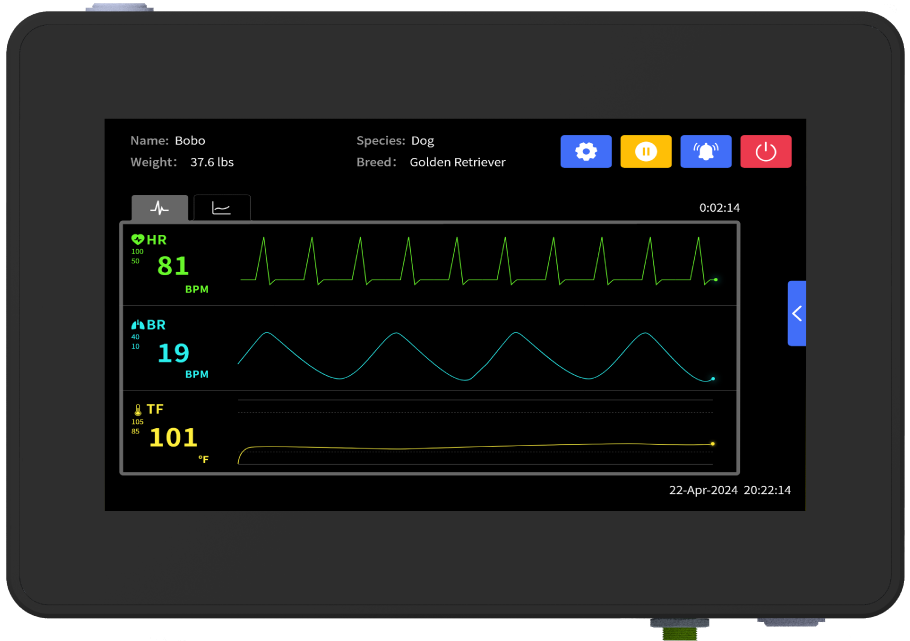
WalDar is an algorithmic-powered, contactless monitoring system that continuously tracks vital signs, including heart rate, respiratory rate, and body temperature. By providing real-time data without the need for physical contact, WalDar allows veterinarians to monitor stress levels without disrupting the pet’s recovery.
Why WalDar is a Game-Changer for Stress & Anxiety Management
- Monitors Stress Non-Invasively – Since elevated heart rate and rapid breathing are key indicators of stress, WalDar detects these changes without requiring physical exams or handling.
- Reduces the Need for Frequent Handling – Traditional monitoring often involves waking or restraining pets, which increases anxiety. WalDar eliminates this, allowing pets to rest peacefully.
- Supports Data-Driven Care Adjustments – If stress levels remain high, veterinarians can adjust pain management, modify the pet’s environment, or recommend additional calming strategies based on real-time data.
- Enables Remote Monitoring – Instead of relying solely on pet owners to notice changes, veterinarians can track stress trends remotely, ensuring pets receive personalized care without unnecessary clinic visits.
- Improves Recovery Outcomes – By reducing stress and minimizing disturbances, WalDar helps pets heal faster and more comfortably, lowering the risk of post-surgical complications.
A New Standard in Post-Operative Care
As veterinary medicine evolves, algorithmic-driven solutions like WalDar are setting a new standard for stress-free, non-invasive monitoring. By offering continuous tracking of vital signs, WalDar helps veterinarians proactively manage post-operative stress, leading to better recovery outcomes and improved patient well-being.
Want to Learn More?
Click to find out how WalDar can improve managing stress in post-operative monitoring.
Related Articles

WaldoPet Unveils AI-Driven Pet Health Ecosystem to Bridge the Veterinary Gap
Brookfield, WI – July 15, 2025 – WaldoPet, a pioneering pet health technology company, announces...
Respiratory Complications in Post-Operative Cats and Dogs
The Challenge of Post-Surgical Respiratory Issues Breathing complications are one of the biggest...

World Veterinary Day – A Special Thank You
Every year, World Veterinary Day (celebrated on April 26) honors veterinarians and their essential...